
NEUROGENETICS
Silvia Paracchini Research GroupThe Neurogenetics group at the University of St Andrews is directed by Prof Silvia Paracchini. We are studying the genetic basis of complex cognitive and behavioural phenotypes. In particular we focus on the biology of dyslexia, a specific difficulty in learning to read which is caused in large part by genetic factors. We are also interested in cognitive traits related to dyslexia such as general reading and language abilities.
More recently we have become interested in handedness and in a complex link between dyslexia and laterality. We are using large scale screening involving genome-wide and functional genomics approaches to identify candidate genes or loci underlying these phenotypes. We work with collaborators based in different countries and with expertise in different disciplines.




Recent news
New preprint
See our latest preprint; another collaboration with Dr Marietta Papadatou-Pastou looking at the link between handedness and mathematical abilities. This is the first output by Filippo!
IBANGS 2019
Filippo represented the group at IBANGS 2019 in Edinburgh. He gave a short presentation on a symposium on laterality and cognition. This included the latest development of our projects with many collaborator around the world. Check out some of the action at #IBANGS2019.
Women in Science in Scotland
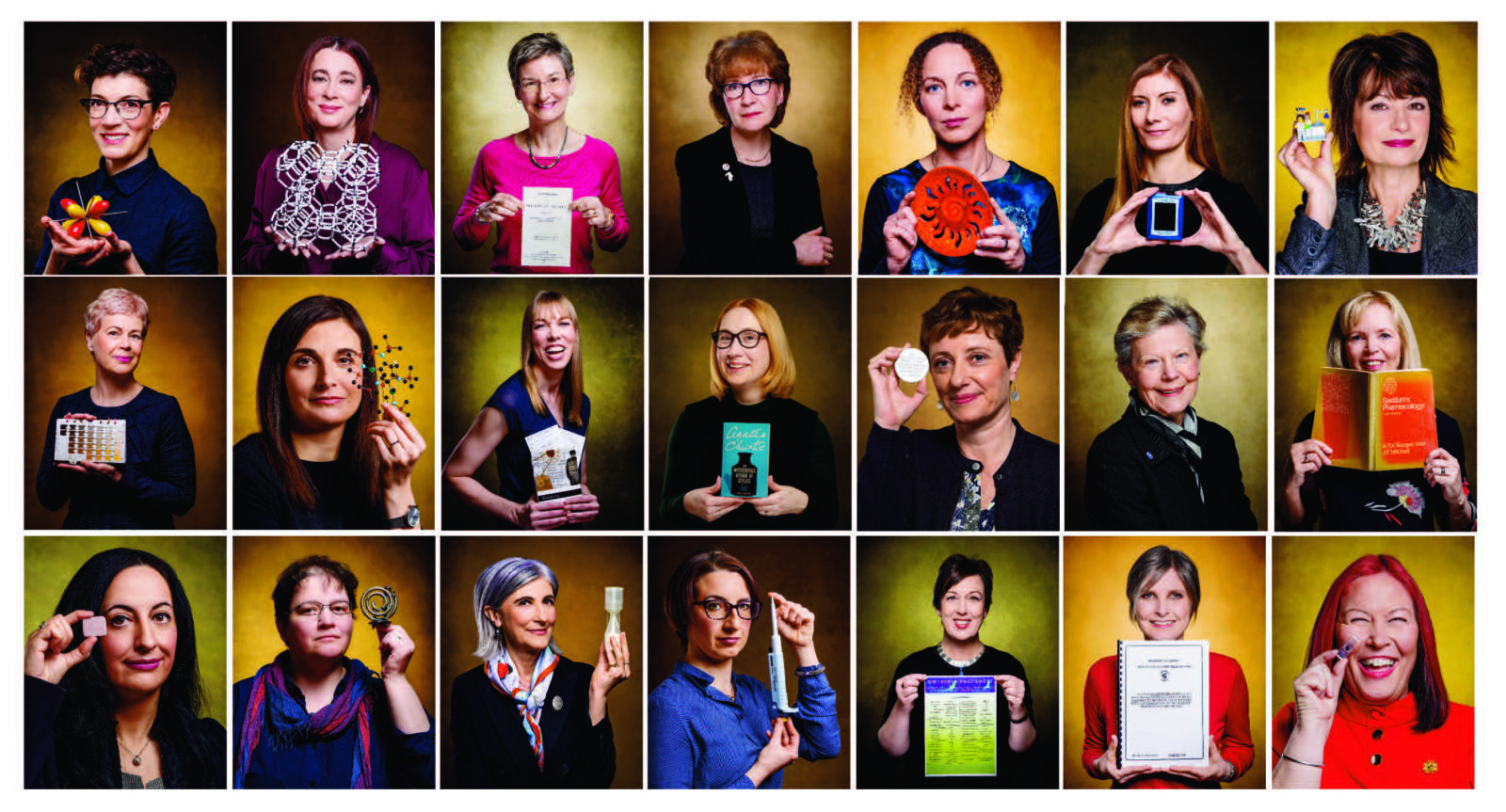
Silvia features in this new exhibition organised by the Royal Society of Edinburgh celebrating women in science. Here you can find a guide of the event. The exhibition launch coincided with an event featuring Silvia together with the current and former RSE Presidents,...
New preprint!
We are excited to share the largest ever meta-analysis for left-handedness prevalence. This work look at data from over 200 studies with more than 2 million participants. The study has been led by our collaborator Dr Marietta Papadatou-Pastou at the University of...
Welcome Judith!
We are excited to welcome Dr Judith Schmitz who join the group supported by a a postdoctoral fellowship funded by the German Research Foundation (DFG). Judith will work on the handedness project.
Sponsors:

